





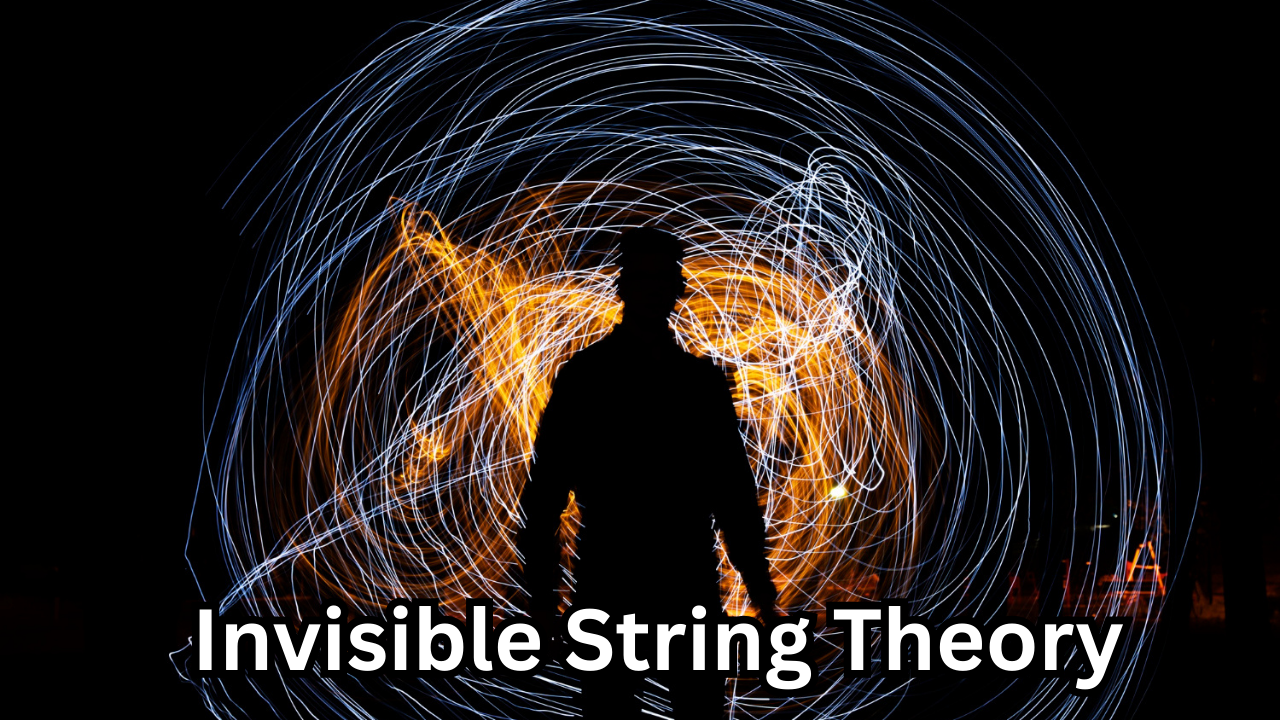
Invisible String Theory – The universe is far more interconnected than it appears on the surface. From the people we meet to the opportunities that come our way, many believe that unseen forces guide events in subtle yet powerful ways. One concept that has captured the imagination of philosophers, psychologists, writers, and spiritual thinkers alike is Invisible String Theory. While not a scientific theory in the traditional physics sense, invisible string theory represents a compelling idea about fate, connection, and the unseen bonds that link people, moments, and destinies.
In this in-depth guide, we will explore the meaning of invisible string theory, its origins, psychological and philosophical interpretations, cultural relevance, and why it has become such a powerful metaphor in modern life. Whether you encountered the term through literature, social media, or personal reflection, this article will give you a complete and thoughtful understanding of invisible string theory.
What Is Invisible String Theory
Invisible string theory is the idea that people who are destined to meet, influence one another, or share meaningful experiences are connected by an unseen bond. This “string” is not physical, but symbolic—representing fate, destiny, emotional connection, or universal alignment.
According to this concept, no matter how far apart people are in distance, time, or circumstances, the invisible string will eventually pull them together. The theory suggests that meaningful encounters are not random, but part of a larger design that unfolds over time.
Many people resonate with invisible string theory because it provides comfort, hope, and meaning, especially during periods of uncertainty or loss.
Origins and Cultural Background of Invisible String Theory
The roots of invisible string theory can be traced back to ancient philosophies and spiritual traditions. Eastern beliefs, particularly in Chinese and Japanese folklore, speak of the “red string of fate,” which ties destined souls together regardless of obstacles. This red string may stretch, tangle, or weaken, but it never breaks.
In Western thought, similar ideas appear in Plato’s discussions of soulmates and in Stoic philosophy, which emphasizes fate and cosmic order. Over time, these ancient ideas evolved into modern interpretations that focus less on romance alone and more on life paths, friendships, careers, and chance encounters.
In recent years, the term “invisible string theory” has gained popularity through books, movies, music, and social media, transforming it into a widely recognized metaphor for destiny and connection.
Invisible String Theory vs Scientific String Theory
It is important to clarify that invisible string theory is not the same as string theory in physics. Scientific string theory attempts to explain the fundamental structure of the universe using vibrating strings at the subatomic level.
Invisible string theory, on the other hand, is a philosophical and emotional concept. It deals with human experiences rather than measurable particles. While science seeks proof and equations, invisible string theory focuses on meaning, perception, and emotional truth.
Despite this difference, both ideas share a fascinating similarity: they suggest that reality is shaped by forces we cannot directly see.
Psychological Perspective on Invisible String Theory
From a psychological standpoint, invisible string theory aligns with how humans naturally search for patterns and meaning. The brain is wired to connect experiences and interpret them as part of a larger story.
Believing in invisible strings can help people cope with uncertainty, heartbreak, or failure. It reframes painful experiences as necessary steps toward something meaningful. This mindset can reduce anxiety and promote emotional resilience.
Psychologists also note that this belief can strengthen gratitude and mindfulness. When people view encounters as meaningful rather than accidental, they are more present and appreciative in their relationships.
Invisible String Theory in Relationships and Love
One of the most common applications of invisible string theory is in romantic relationships. Many people believe that true partners are connected long before they meet. Missed chances, failed relationships, and long separations are seen as part of the journey rather than mistakes.
This belief encourages patience and trust in the process of life. It can also help individuals let go of unhealthy attachments, trusting that the right connection will arrive at the right time.
However, it’s important to balance this belief with personal responsibility. Invisible string theory does not remove the need for communication, effort, or boundaries in relationships.
Invisible String Theory in Career and Life Paths
Invisible string theory is not limited to love. Many apply it to careers, friendships, and life opportunities. A chance meeting that leads to a job, a random conversation that sparks an idea, or an unexpected move that changes everything can all be viewed through this lens.
Seeing life this way helps people embrace change rather than fear it. Setbacks are interpreted as redirections instead of failures. This mindset can foster perseverance, creativity, and long-term motivation.
In fast-changing modern environments, invisible string theory provides a sense of continuity and purpose.
Invisible String Theory and Spirituality
For spiritual thinkers, invisible string theory reflects the idea that the universe operates with intention. Whether described as divine planning, universal energy, or cosmic alignment, the belief is that everything happens for a reason.
Many spiritual practices encourage people to trust these unseen connections rather than resist them. Meditation, journaling, and reflection are often used to recognize patterns and lessons connected to invisible strings.
This perspective does not require adherence to a specific religion. It is flexible and personal, allowing individuals to interpret the “string” in their own way.
Modern Popularity of Invisible String Theory
The rise of invisible string theory in popular culture is no accident. In an era of digital overload, uncertainty, and rapid change, people crave meaning and reassurance. The concept has become popular on social media platforms where users share stories of coincidences, reunions, and life-changing moments.
Music, novels, and films often explore themes of destined meetings and unseen bonds, reinforcing the idea. These narratives resonate because they reflect a universal human desire: to believe our lives matter and are connected to something greater.
Invisible string theory has become a modern language for hope.
Criticism and Skepticism Around Invisible String Theory
Not everyone accepts invisible string theory. Critics argue that it promotes passive thinking or encourages people to ignore accountability. From a rational standpoint, coincidences can often be explained by probability rather than destiny.
There is also concern that over-reliance on fate can lead to missed opportunities if people wait instead of taking action.
However, supporters argue that invisiblestring theory is not about avoiding responsibility, but about finding meaning while still making choices. It is a perspective, not a rulebook.
Invisible String Theory as a Personal Philosophy
Ultimately, invisiblestring theory functions best as a personal philosophy rather than a fixed belief system. Some people find comfort in it during difficult times, while others use it as a reflective tool rather than a literal explanation.
It encourages curiosity instead of fear, patience instead of panic, and trust instead of despair. When used thoughtfully, it can enhance emotional well-being without replacing logic or effort.
The power of invisiblestring theory lies not in proving it true, but in how it shapes perception.

Why Invisible String Theory Resonates So Deeply
The reason invisiblestring theory resonates with so many people is simple: it humanizes uncertainty. Life rarely follows a straight line, and invisible strings offer a way to make sense of the twists and turns.
By viewing life as interconnected rather than chaotic, people feel less alone. Even moments of loss gain meaning when seen as part of a larger narrative.
In a world full of unanswered questions, invisiblestring theory provides a gentle, hopeful framework.
Final Thoughts on Invisible String Theory
Invisiblestring theory may not be measurable or provable, but its emotional impact is undeniable. It bridges philosophy, psychology, spirituality, and storytelling into a single idea that feels deeply human.
Whether you see it as destiny, coincidence, or mindset, the theory invites you to look at life differently—to notice connections, trust timing, and find meaning in the unseen.
Perhaps the greatest strength of invisiblestring theory is that it reminds us we are part of something larger, even when we cannot see the strings themselves.
Also Read: MC Mateo Gold Neck: A Complete Guide to Style, Quality, and Luxury Appeal


One thought on “Invisible String Theory: Understanding the Hidden Connections That Shape Our Lives”
Comments are closed.