






The Delta Connection DL3543 emergency landing became a widely discussed aviation incident after the regional flight was forced to return shortly after takeoff due to a technical concern. Events like these naturally raise questions among travelers about aircraft safety, pilot decision-making, and airline protocols. This in-depth article explains what happened, why the emergency landing occurred, how passengers were affected, and what it means for air travel safety, all in a clear, professional, and SEO-optimized format.
What Is Delta Connection DL3543?
Delta Connection DL3543 is a regional passenger flight operating under the Delta Air Lines brand, typically serving short-haul routes between major U.S. cities. Delta Connection flights are usually operated by regional partners using smaller jets designed for efficiency, reliability, and frequent service.
On the day of the incident, DL3543 departed as a routine scheduled flight. However, shortly after takeoff, the crew identified an abnormal condition that required immediate attention, ultimately leading to an emergency landing.
Delta Connection DL3543 Emergency Landing: What Happened?
Shortly after departure, the flight crew of Delta Connection DL3543 detected a technical irregularity during the climb phase. Although the aircraft initially ascended normally, it did not continue toward its intended cruising altitude. Instead, the pilots made the decision to declare an emergency and return to the departure airport.
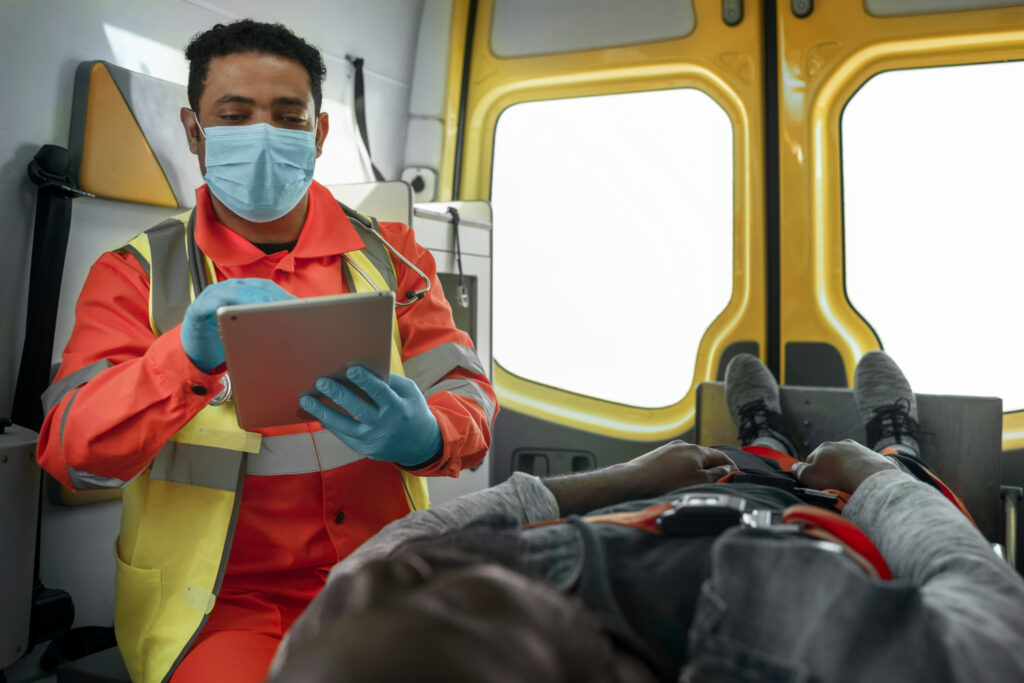
The aircraft landed safely without injuries to passengers or crew. Emergency services were present as a precautionary measure, which is standard procedure whenever an aircraft declares an emergency. Passengers were later escorted off the plane and assisted by airline staff.
The situation was controlled, professional, and resolved without escalation, demonstrating how aviation safety systems are designed to manage potential risks effectively.
Why the Emergency Landing Was Necessary
While airlines do not always disclose detailed technical findings immediately, emergency landings typically occur due to precautionary indicators rather than catastrophic failures. In the case of Delta Connection DL3543, early warning signs prompted the pilots to act conservatively.
Modern aircraft are equipped with advanced monitoring systems that alert crews to even minor irregularities. When such alerts appear during critical phases like takeoff or climb, pilots follow strict procedures that prioritize returning to the nearest suitable airport.
The emergency landing does not mean the aircraft was unsafe to land. Rather, it indicates the crew chose the safest possible option under the circumstances.
Pilot Decision-Making During the Incident
Pilot training emphasizes risk prevention rather than risk reaction. In situations like the Delta Connection DL3543 emergency landing, the decision to return early is often the safest and most responsible choice.
Pilots consider several factors before declaring an emergency:
- Aircraft system readings
- Phase of flight
- Distance from departure and destination airports
- Weather conditions
- Passenger safety and comfort
Declaring an emergency allows air traffic control to clear airspace, provide priority landing clearance, and ensure emergency crews are ready if needed. This decision reflects professionalism, not panic.
Passenger Experience During the Emergency Landing
For passengers onboard Delta Connection DL3543, the experience was unexpected but ultimately safe. Many travelers report feeling anxious when flights turn back shortly after takeoff, especially when the word “emergency” is mentioned.
However, once the aircraft landed safely, passengers were able to disembark normally. Airline staff assisted with:
- Rebooking on alternative flights
- Answering passenger questions
- Managing delays and logistics
No injuries were reported, and passengers were accommodated according to airline policy.
How Airlines Handle Aircraft After an Emergency Landing
Following an event like the Delta Connection DL3543 emergency landing, the aircraft does not immediately return to service. Instead, it undergoes a thorough inspection by certified maintenance technicians.
This process typically includes:
- Diagnostic checks of onboard systems
- Physical inspections of engines and flight controls
- Review of cockpit alerts and system data
- Clearance from maintenance and safety teams
Only after all concerns are fully resolved is the aircraft approved for future flights. This rigorous approach ensures long-term safety for passengers and crew.
Are Emergency Landings Dangerous?
One of the most common misconceptions about aviation is that emergency landings are inherently dangerous. In reality, most emergency landings are precautionary and occur without incident.
The term “emergency” in aviation simply means that the flight requires priority handling. It does not automatically indicate an imminent threat. In fact, declaring an emergency often reduces risk by ensuring faster coordination and response.
The Delta Connection DL3543 emergency landing is an example of how early action prevents larger problems.

What This Incident Says About Airline Safety
Rather than undermining confidence, incidents like this reinforce how seriously airlines treat safety. Commercial aviation operates under some of the strictest safety regulations in the world, with multiple layers of redundancy and oversight.
Key safety lessons from the Delta Connection DL3543 emergency landing include:
- Continuous system monitoring prevents escalation
- Pilot training prepares crews for rapid decision-making
- Airlines prioritize safety over schedules
- Emergency protocols are effective and well-coordinated
These systems exist to protect passengers, even when issues arise unexpectedly.
How Often Do Emergency Landings Happen?
Emergency landings are rare compared to the total number of flights operated daily. When they do occur, they are usually resolved safely, just like Delta Connection DL3543.
Commercial aviation’s strong safety record is built on learning from every incident, even those without injuries or damage. Each event contributes to improved procedures, better technology, and stronger training standards.
What Passengers Should Do in Similar Situations
If you ever experience an emergency landing on any flight, including situations similar to Delta Connection DL3543, it helps to remember the following:
- Stay calm and follow crew instructions
- Listen carefully to announcements
- Avoid spreading unverified information
- Understand that delays are part of safety management
Flight crews are trained to manage both technical issues and passenger safety, ensuring the best possible outcome.
Media Attention and Public Interest
The Delta Connection DL3543 emergency landing gained attention because air travel incidents naturally attract public interest. However, increased visibility does not necessarily mean increased danger.
In today’s digital age, even routine safety procedures can appear alarming when taken out of context. Understanding how aviation works helps separate perception from reality.

Final Thoughts on Delta Connection DL3543 Emergency Landing
The Delta Connection DL3543 emergency landing was a controlled, precautionary response to a technical concern, handled exactly as aviation safety standards require. The aircraft landed safely, passengers were unharmed, and airline protocols functioned as designed.
Rather than being a cause for fear, this incident highlights the strength of modern aviation safety systems, the professionalism of flight crews, and the importance of proactive decision-making.
Air travel remains one of the safest forms of transportation in the world, and events like this demonstrate why.



One thought on “Delta Connection DL3543 Emergency Landing: Full Details, Causes, and Safety Insights”
Comments are closed.