





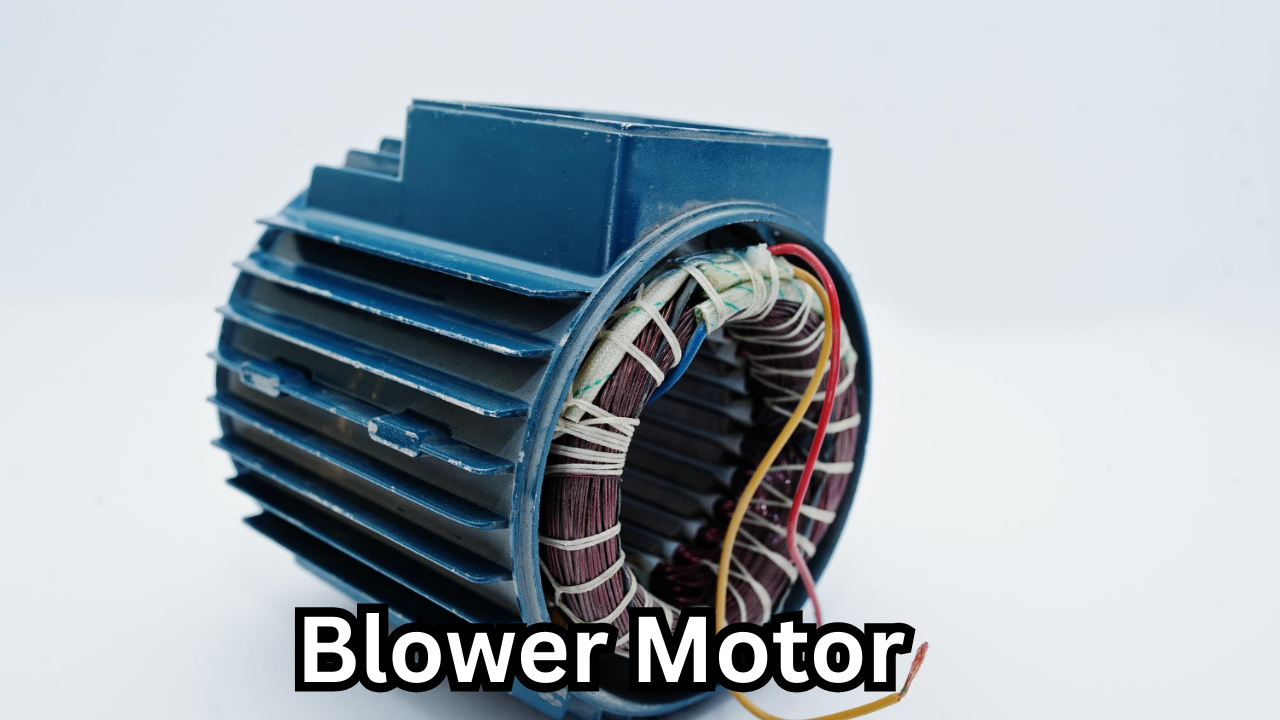
A blower motor is a small but critical component in both automotive and home HVAC systems. Despite its size, it plays a massive role in comfort, safety, and system efficiency. Whether you are driving a car on a hot summer day or trying to heat your home during winter, the blower motor is responsible for circulating air through vents and maintaining the desired temperature.
Many people only realize how important a blower motor is when it stops working. Weak airflow, strange noises, or complete air failure are often signs of a faulty blower motor. Understanding how it works, what causes problems, and how to maintain it can save time, money, and frustration.
This complete guide explains everything you need to know about a blower motor, including how it works, common symptoms of failure, causes, replacement costs, and maintenance tips.
What Is a Blower Motor?
A blower motor is an electric motor designed to move air through a ventilation system. In vehicles, it pushes air through the heating, ventilation, and air conditioning system and into the cabin. In homes, it circulates heated or cooled air through ductwork to maintain indoor comfort.
The blower motor works together with other components such as resistors, control modules, filters, and ducts. When functioning correctly, it ensures consistent airflow at various speed settings.
Without a properly working blower motor, even the most advanced HVAC or climate control system becomes useless.
How a Blower Motor Works
The blower motor operates using electrical power supplied by the vehicle battery or home electrical system. When you adjust the fan speed or temperature, the system sends signals to the blower motor to increase or decrease airflow.
In most systems, airflow speed is controlled either by a resistor or an electronic control module. These components regulate how much power reaches the blower motor, allowing it to operate at different speeds.
The motor spins a fan or wheel that pulls air through filters and pushes it through vents. This process happens continuously while the system is running.
Importance of a Blower Motor
The blower motor is essential for maintaining comfort and air quality. In vehicles, it ensures proper defogging of windows, prevents overheating or freezing inside the cabin, and supports safe driving conditions.
In homes, the blower motor distributes warm or cool air evenly, preventing temperature imbalance. It also helps circulate filtered air, reducing dust and allergens.
A failing blower motor reduces system efficiency, increases energy consumption, and puts extra strain on other components.

Common Symptoms of a Bad Blower Motor
Spotting early warning signals in time can reduce the risk of total system failure, and reduced or uneven airflow is often the first noticeable sign. If air barely comes out of vents despite high fan settings, the blower motor may be failing.
Another sign is unusual noise such as squealing, rattling, or grinding sounds. These noises often indicate worn bearings, debris inside the fan, or internal motor damage.
A blower motor that only works on certain speeds is another common issue. This may point to a failing motor or a damaged resistor.
Complete loss of airflow is usually a sign that the blowermotor has stopped working entirely.
Causes of Blower Motor Failure
Blowermotors fail for several reasons. One major cause is wear and tear. Over time, internal components wear out, especially in systems that run frequently.
Electrical issues such as blown fuses, faulty wiring, or failing control modules can also damage the blowermotor. Excessive voltage or poor grounding can shorten its lifespan.
Clogged air filters are another common cause. When airflow is restricted, the blowermotor has to work harder, leading to overheating and eventual failure.
Moisture and debris buildup can also damage the motor, particularly in vehicles where leaves and dirt enter the ventilation system.
Blower Motor vs Blower Motor Resistor
Many people confuse the blowermotor with the blowermotor resistor. While they work together, they serve different purposes.
The blowermotor physically moves air through the system. The resistor or control module manages fan speed by controlling electrical flow to the motor.
If the fan works only on one speed, the resistor is often the issue. If the fan does not work at all, the blowermotor itself may be faulty.
Understanding this difference can help with accurate diagnosis and repair.
How to Diagnose a Blower Motor Problem
Diagnosing a blowermotor issue starts with checking airflow. If airflow is weak or absent, the next step is to inspect fuses and relays.
Listening for unusual sounds can also help identify internal damage. Electrical testing using a multimeter can confirm whether power is reaching the motor.
In vehicles, accessing the blower motor usually involves removing panels under the dashboard. In home systems, the motor is typically located inside the air handler.
Proper diagnosis ensures you replace the correct component and avoid unnecessary repairs.
Blower Motor Replacement Cost
The cost of blowermotor replacement varies depending on the system and location. In vehicles, replacement costs can range from moderate to expensive depending on labor and accessibility.
Home HVAC blowermotors may cost more due to size and installation complexity. Labor charges often make up a large portion of the total cost.
Replacing a blowermotor early can prevent further damage to the system and reduce long-term expenses.
Can You Drive or Live Without a Blower Motor?
Driving without a working blowermotor can be dangerous. Without airflow, windows may fog up, reducing visibility. Heating and cooling also become ineffective, making driving uncomfortable or unsafe.
In homes, a failed blowermotor means no proper heating or cooling. This can lead to uncomfortable living conditions and even damage to the HVAC system if ignored.
While short-term operation may be possible, long-term use without a functioning blowermotor is not recommended.
Maintenance Tips to Extend Blower Motor Life
Regular maintenance can significantly extend blowermotor lifespan. One of the most important steps is changing air filters regularly. Clean filters reduce strain on the motor.
Keeping vents and ducts clear improves airflow and reduces overheating. Periodic inspections help identify early signs of wear.
In vehicles, parking away from debris-heavy areas can prevent leaves and dirt from entering the ventilation system.
Preventive maintenance saves money and ensures consistent performance.
Blower Motor Efficiency and Energy Consumption
A healthy blowermotor operates efficiently and uses less energy. When a motor begins to fail, it draws more power to compensate for reduced performance.
This increased energy use leads to higher fuel consumption in vehicles and higher electricity bills in homes.
Replacing a failing blowermotor improves system efficiency and reduces operating costs.

Choosing the Right Blower Motor Replacement
Selecting the correct blowermotor is crucial. Compatibility with your system, motor power rating, and build quality all matter.
Using high-quality replacement parts ensures longer lifespan and better performance. Professional installation is recommended for complex systems.
Choosing the right blowermotor protects your investment and restores comfort.
Conclusion
The blowermotor is a vital component that plays a major role in comfort, safety, and efficiency. Whether in a vehicle or home HVAC system, its function is essential for proper airflow and temperature control.
Understanding how a blowermotor works, recognizing early signs of failure, and maintaining it properly can prevent costly repairs. Timely replacement improves system performance and energy efficiency.
If you want reliable heating, cooling, and ventilation, taking care of your blowermotor should never be overlooked. A well-maintained blowermotor ensures consistent comfort and long-term system reliability.
Also Read: Tetanus Shot Side Effects: What You Need to Know Before and After Vaccination




One thought on “Blower Motor: Complete Guide to Function, Symptoms, Replacement, and Maintenance”
Comments are closed.