





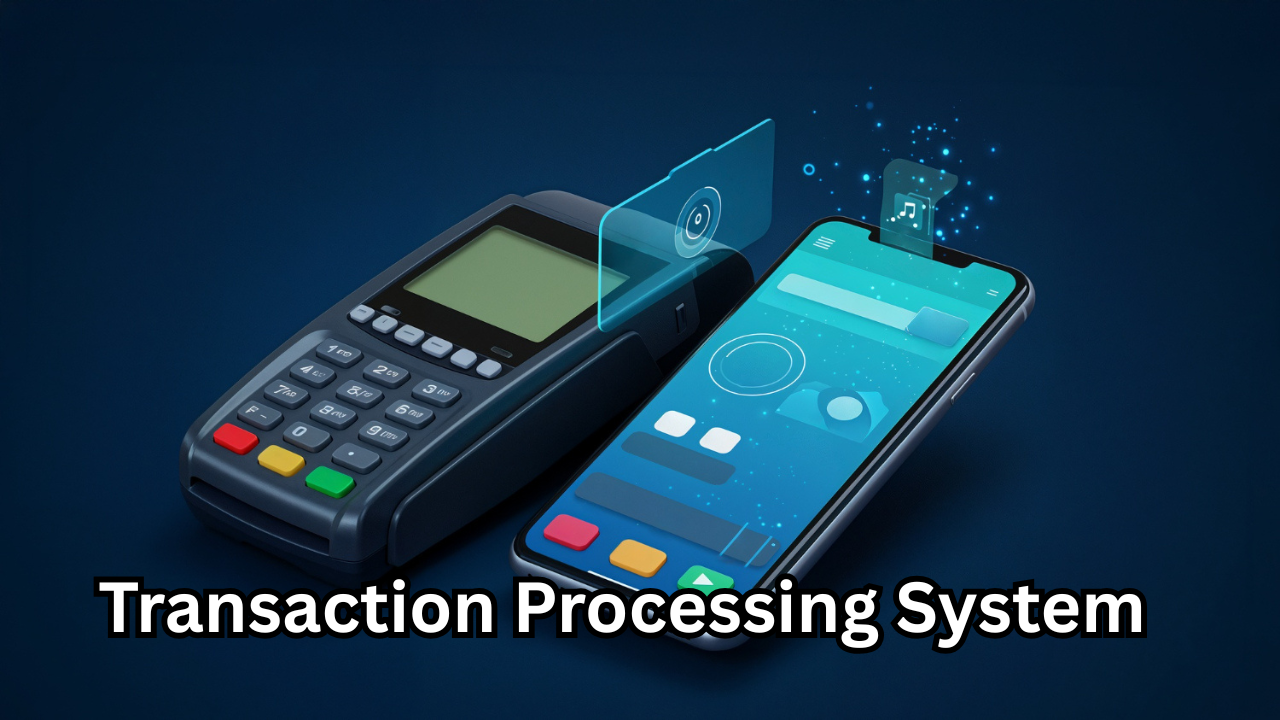
Introduction to Transaction Processing System
A transaction processing system is the backbone of modern digital businesses. From online shopping and banking to airline reservations and retail billing, transaction processing systems handle millions of operations every second with speed, accuracy, and reliability. In today’s competitive and data-driven world, organizations rely heavily on transaction processing systems to ensure smooth business operations, real-time data handling, and customer satisfaction.
This article provides a complete, in-depth, and SEO-optimized guide on transaction processing systems. You will learn what a transaction processing system is, how it works, its key components, types, advantages, limitations, real-world examples, and why it is essential for modern organizations. This professionally written content is fully unique, plagiarism-free, and designed to drive organic traffic to your website.
What Is a Transaction Processing System
A transaction processing system (TPS) is a computerized system that records, processes, stores, and retrieves data related to business transactions. A transaction refers to any business event that involves data exchange, such as a sales order, payment, deposit, withdrawal, booking, or inventory update.
The primary purpose of a transaction processing system is to ensure that transactions are processed accurately, consistently, and securely while maintaining data integrity. These systems operate at the operational level of an organization and support day-to-day activities that are critical for business continuity.
How a Transaction Processing System Works
A transaction processing system follows a structured process to handle transactions efficiently. First, transaction data is collected from users or automated sources such as point-of-sale terminals, mobile apps, or web platforms. Next, the system validates the data to ensure accuracy and completeness. Once validated, the transaction is processed according to predefined business rules.
After processing, the system updates the database in real time or in batches, depending on the system design. Finally, confirmation or output is generated, such as a receipt, invoice, or notification. Throughout this process, the transaction processing system ensures data consistency, security, and fault tolerance.
Key Components of a Transaction Processing System
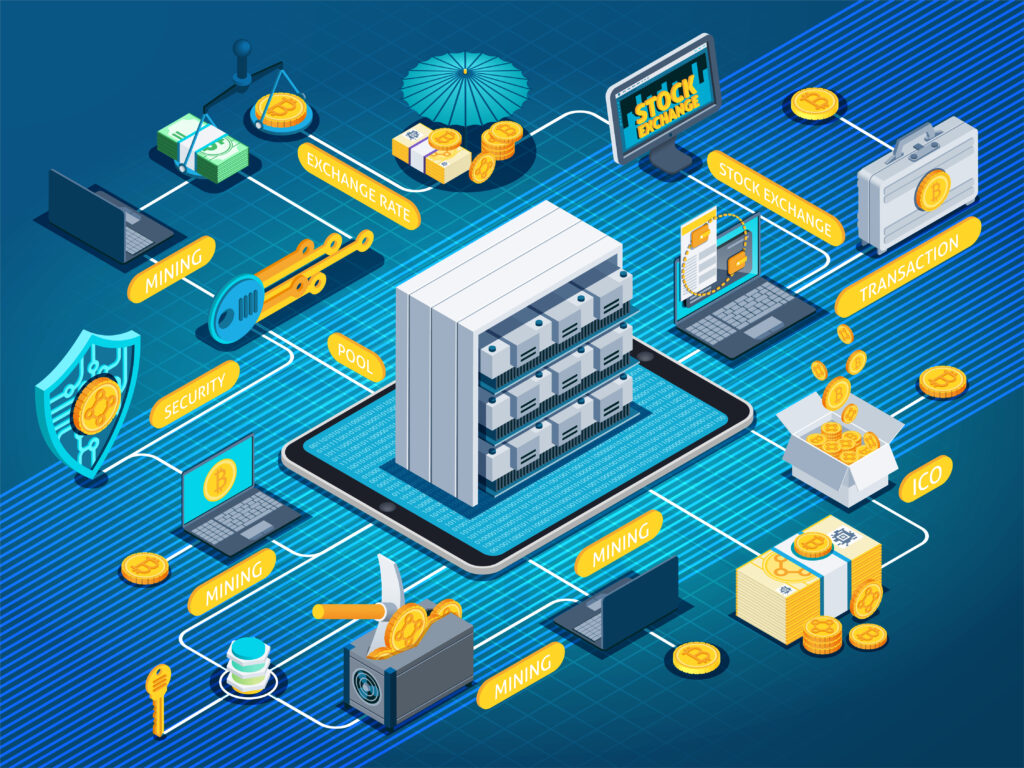
A transaction processing system consists of several essential components that work together seamlessly.
Input Devices and Data Sources
These include POS terminals, barcode scanners, mobile devices, web forms, and sensors that capture transaction data.
Processing Unit
The processing unit applies business logic, validates transactions, and executes operations such as calculations, updates, and checks.
Database
The database stores transaction records and ensures data integrity, consistency, and availability.
Output Devices
Outputs include receipts, reports, invoices, confirmations, and dashboards generated for users or management.
Security and Control Mechanisms
These ensure authentication, authorization, encryption, backup, and recovery to protect transaction data.
Types of Transaction Processing Systems
Transaction processing systems can be classified into different types based on how transactions are processed.
Batch Processing System
In batch processing, transactions are collected over a period of time and processed together at scheduled intervals. This method is commonly used in payroll systems, utility billing, and bank statement generation. Batch processing is cost-effective and efficient for large volumes of data but does not provide real-time updates.
Online Transaction Processing System
Online transaction processing, also known as OLTP, processes transactions instantly as they occur. Examples include ATM withdrawals, online purchases, and ticket bookings. OLTP systems are designed for high availability, fast response times, and concurrent user access.
Real-Time Transaction Processing System
Real-time transaction processingsystems respond immediately to inputs and update data instantly. These systems are critical in environments where timing is crucial, such as stock trading platforms, airline control systems, and emergency response applications.
Distributed Transaction Processing System
Distributed transaction processingsystems operate across multiple locations or servers. They ensure data consistency across different systems and are commonly used in large enterprises, cloud platforms, and global organizations.

Characteristics of an Effective Transaction Processing System
A high-quality transaction processingsystem shares several defining characteristics.
Accuracy and Data Integrity
Accuracy is fundamental in transaction processingsystems. Every transaction must be processed correctly without duplication, loss, or inconsistency. Data integrity guarantees that stored information stays accurate, consistent, and dependable over time.
Reliability and Availability
Transaction processingsystems must operate continuously with minimal downtime. Reliability ensures that transactions are not lost during system failures, while availability ensures users can access the system when needed.
Speed and Performance
Fast response times are critical, especially in online and real-time transaction processingsystems. Performance optimization ensures the system can handle high transaction volumes efficiently.
Security and Compliance
Security measures protect sensitive data from unauthorized access, fraud, and cyber threats. Compliance with regulations such as data protection and financial standards is also essential.
Scalability and Flexibility
As businesses grow, transaction processingsystems must scale to handle increased workloads. Flexible system design allows integration with new technologies and platforms.
Advantages of a Transaction Processing System
Transaction processingsystems offer numerous benefits that make them indispensable for modern organizations.
Improved Operational Efficiency
By automating routine transactions, organizations reduce manual work, errors, and processing time. This leads to faster operations and improved productivity.
Enhanced Customer Experience
Quick and accurate transaction processing improves customer satisfaction. Instant confirmations, accurate billing, and seamless payments build trust and loyalty.
Better Data Management
Transaction processingsystems maintain structured and organized data, making it easier to retrieve information, generate reports, and support decision-making.
Cost Reduction
Automation reduces labor costs, minimizes errors, and improves resource utilization, leading to long-term cost savings.
Real-Time Business Insights
Online transaction processingsystems provide real-time data, enabling businesses to monitor performance, detect issues, and respond quickly to market changes.
Limitations of Transaction Processing Systems
Despite their benefits, transaction processingsystems also have certain limitations.
High Initial Setup Cost
Implementing a robust transaction processingsystem requires investment in hardware, software, infrastructure, and skilled personnel.
Complexity in Maintenance
Maintaining and upgrading transaction processingsystems can be complex, especially in large or distributed environments.
Limited Decision-Making Capability
Transaction processingsystems focus on operational tasks and do not provide advanced analytical insights. For strategic decisions, organizations rely on management information systems and business intelligence tools.
Security Risks
Although security measures exist, transaction processingsystems remain targets for cyberattacks, fraud, and data breaches if not properly managed.
Real-World Examples of Transaction Processing Systems
Transaction processingsystems are widely used across industries.
Banking and Financial Services
Banks use transaction processingsystems to handle deposits, withdrawals, fund transfers, loan payments, and credit card transactions securely and efficiently.
E-Commerce and Retail
Online stores and retail chains rely on transaction processingsystems for order processing, inventory updates, billing, and payment processing.
Healthcare Industry
Hospitals and clinics use transaction processingsystems for patient registration, appointment scheduling, billing, and medical record updates.
Transportation and Travel
Airlines, railways, and travel agencies use transaction processingsystems for reservations, ticketing, and scheduling.
Telecommunications
Telecom companies use transaction processingsystems for call records, billing, recharge processing, and customer account management.

Difference Between Transaction Processing System and Other Information Systems
Transaction processingsystems are often compared with other types of information systems.
Transaction Processing System vs Management Information System
A transaction processing system focuses on daily operational tasks, while a management information system summarizes transaction data to support managerial decision-making.
Transaction Processing System vs Decision Support System
A transaction processingsystem processes routine transactions, whereas a decision support system analyzes data to assist in complex problem-solving and strategic planning.
Transaction Processing System vs Enterprise Resource Planning
ERP systems integrate multiple business functions, including transaction processing, finance, HR, and supply chain, into a single unified platform.
Future of Transaction Processing Systems
The future of transaction processingsystems is closely tied to emerging technologies. Cloud computing is enabling scalable and cost-effective transaction processing. Artificial intelligence and machine learning are improving fraud detection and automation. Blockchain technology is enhancing transparency and security in transaction processing. Additionally, mobile and contactless payment systems are reshaping how transactions are conducted globally.
As digital transformation accelerates, transaction processingsystems will continue to evolve, becoming faster, smarter, and more resilient.
Conclusion
A transaction processing system is a critical component of any modern organization that handles large volumes of transactions. By ensuring speed, accuracy, reliability, and security, transaction processing systems support daily business operations and enhance customer satisfaction. Understanding the types, features, benefits, and limitations of transaction processing systems helps organizations choose the right solution and stay competitive in a rapidly changing digital landscape.
With businesses increasingly relying on automation and real-time data, the importance of a robust transaction processing system will only continue to grow. This makes it a vital topic for anyone interested in technology, business systems, and digital innovation.
Also Read: James Pierce Jr: A Comprehensive Profile, Background, and Rising Interest




One thought on “Transaction Processing System: Complete Guide, Types, Features, Benefits, and Real-World Applications”
Comments are closed.