





What Is an E26 Bulb?
An E26 bulb is one of the most commonly used light bulb types in homes, offices, and commercial spaces across North America and many other regions. “E26” is the designation used to define the bulb’s base configuration. The “E” stands for Edison screw, while “26” represents the diameter of the base in millimeters. This standard size makes the E26 bulb compatible with most traditional light fixtures, lamps, and ceiling sockets.
Because of its versatility and universal fit, the E26 bulb has become a go-to choice for homeowners looking for easy lighting solutions without worrying about compatibility issues. Whether you are replacing an old incandescent bulb or upgrading to modern LED lighting, the E26 bulb offers endless options.
Why the E26 Bulb Is So Popular
The popularity of the E26 bulb comes from its simplicity and flexibility. Unlike specialty bulbs that only work with specific fixtures, E26 bulbs fit into most standard sockets. This means you don’t need adapters or special installations.
Another reason for its popularity is availability. You can easily find E26 bulbs in local stores and online marketplaces in various styles, brightness levels, and technologies. From decorative vintage bulbs to smart LED bulbs, E26 covers it all.
Energy efficiency is also a major factor. Modern E26 LED bulbs consume significantly less power than traditional incandescent bulbs while delivering the same or even better brightness.
E26 Bulb vs Other Bulb Bases
Many people confuse E26 bulbs with similar bases like E27 or E12. While they may look alike, there are important differences.
The E26 bulb is primarily designed for 120-volt electrical systems, commonly used in the United States and Canada. On the other hand, E27 bulbs are usually designed for 220–240 volts and are more common in Europe and Asia.
E12 bulbs, also known as candelabra bulbs, are much smaller and are typically used in chandeliers and decorative fixtures. Compared to these, the E26 bulb stands out as the most practical and widely used option for everyday lighting needs.
Types of E26 Bulbs Available
The E26 bulb is available in several types, each serving different purposes and preferences.
LED E26 Bulbs
LED E26 bulbs are the most popular choice today. They are energy-efficient, long-lasting, and environmentally friendly. With a lifespan that can exceed 25,000 hours, LED bulbs significantly reduce replacement frequency.They also come in various color temperatures, from warm white for cozy spaces to cool daylight for work environments.
Incandescent E26 Bulbs
Incandescent E26 bulbs are the traditional bulbs many people grew up using. They produce warm, natural light but consume more energy and have a shorter lifespan. Due to energy regulations in many countries, these bulbs are becoming less common.
CFL E26 Bulbs
Compact fluorescent lamps, or CFLs, were once a popular energy-saving alternative to incandescent bulbs. While more efficient than incandescent bulbs, CFLs are less popular today due to their slow warm-up time and the presence of small amounts of mercury.
Smart E26 Bulbs
Smart E26 bulbs are designed for modern smart homes. Control is possible through smartphone applications, voice commands, and automated settings. systems. Features often include dimming, color changing, scheduling, and energy monitoring.
Common Uses of E26 Bulbs
The versatility of the E26 bulb allows it to be used in almost any setting.
In homes, E26 bulbs are commonly used in living rooms, bedrooms, kitchens, bathrooms, and outdoor fixtures. Table lamps, floor lamps, pendant lights, and ceiling fixtures often rely on this base type.
In commercial spaces, E26 bulbs are widely used in offices, retail stores, restaurants, and warehouses. Their compatibility with a wide range of fixtures makes them ideal for large-scale lighting installations.
Outdoor lighting such as porch lights, garden lamps, and garage fixtures also frequently use E26bulbs, especially weather-resistant LED versions.
Choosing the Right Brightness for an E26 Bulb
Brightness is a crucial factor when selecting an E26bulb. Instead of focusing on watts, modern lighting uses lumens to measure brightness.
For general living spaces, bulbs with moderate lumen output provide comfortable lighting. Task areas like kitchens and offices benefit from higher brightness, while bedrooms and relaxation areas often need softer lighting.
Choosing the right brightness ensures both comfort and energy efficiency, preventing over-lighting or under-lighting your space.

Understanding Color Temperature
Color temperature plays a major role in the ambiance of a room. E26bulbs are available in a wide range of color temperatures.
Warm white lighting creates a cozy and relaxing atmosphere, making it ideal for bedrooms and living rooms. Neutral white provides balanced illumination suitable for kitchens and bathrooms. Cool white or daylight bulbs mimic natural sunlight and are perfect for workspaces and study areas.
Selecting the right color temperature enhances mood, productivity, and overall comfort.
Energy Efficiency and Cost Savings
One of the biggest advantages of using E26 LED bulbs is energy efficiency. Compared to traditional incandescent bulbs, LED E26bulbs use up to 80 percent less energy while providing the same brightness.
This reduction in energy consumption leads to lower electricity bills over time. Although LED bulbs may have a higher upfront cost, their long lifespan and efficiency make them a cost-effective investment.
For homeowners and businesses alike, switching to energy-efficient E26bulbs can result in significant long-term savings.
Decorative and Vintage E26 Bulbs
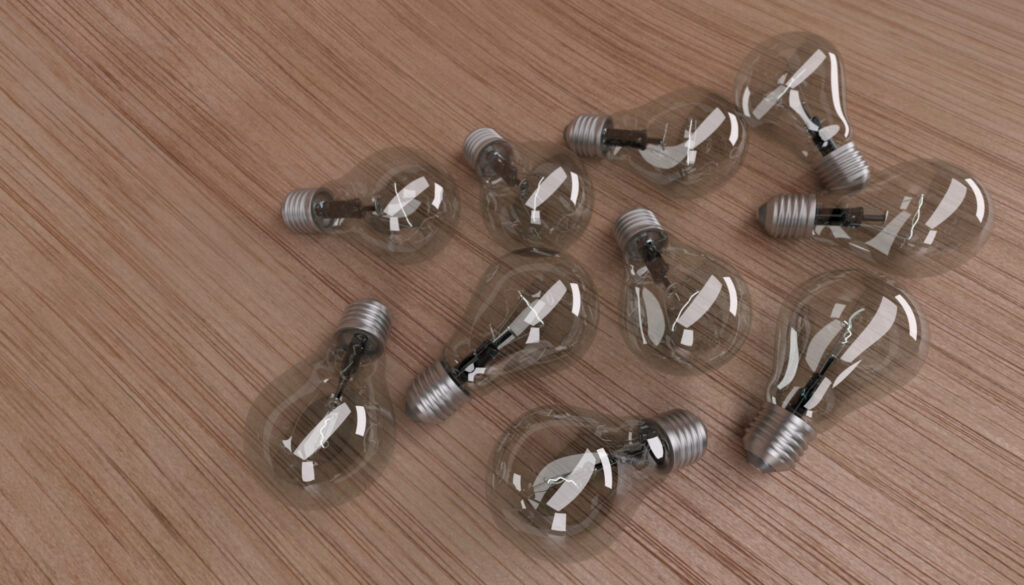
E26bulbs are not just functional; they can also be decorative. Vintage Edison-style E26bulbs are popular for adding a classic, stylish look to homes, cafés, and restaurants.
These bulbs often feature exposed filaments and warm amber light, creating a nostalgic ambiance. While they may not be as bright as standard bulbs, they are perfect for accent lighting and decorative fixtures.
Safety and Compatibility Considerations
When choosing an E26bulb, it’s important to check fixture compatibility. Always ensure the bulb’s wattage or equivalent output is suitable for the fixture to avoid overheating.
For enclosed fixtures or outdoor use, select bulbs specifically designed for those conditions. Using the correct bulb type improves safety and extends the lifespan of both the bulb and the fixture.
How to Install an E26 Bulb Properly
Installing an E26bulb is straightforward. Turn off the power, remove the old bulb, and gently screw the new bulb into the socket until it is secure. Avoid over-tightening, as this can damage the bulb or socket.
Once installed, turn the power back on and test the bulb. Proper installation ensures optimal performance and safety.
Environmental Impact of E26 LED Bulbs
LED E26bulbs are an eco-friendly lighting option. They consume less energy, produce less heat, and last significantly longer than traditional bulbs. This reduces waste and lowers carbon emissions.
Unlike CFL bulbs, LED bulbs do not contain hazardous materials like mercury, making disposal safer and more environmentally responsible.
Buying Tips for the Best E26 Bulb
When purchasing an E26bulb, consider factors such as brightness, color temperature, energy efficiency, and intended use. Reading product descriptions and customer reviews can help you make an informed decision.
For smart bulbs, check compatibility with your existing smart home system. For outdoor or damp areas, ensure the bulb is rated for those conditions.
Choosing a high-quality E26bulb ensures better performance, longer lifespan, and greater satisfaction.
Final Thoughts on E26 Bulbs
The E26bulb remains one of the most reliable and versatile lighting solutions available today. Its universal compatibility, wide variety of options, and energy-efficient designs make it suitable for almost every lighting need.
Whether you are upgrading your home, improving workplace lighting, or adding decorative elements, the E26bulb offers a perfect balance of functionality, style, and efficiency. By choosing the right type and features, you can enhance your space while saving energy and money in the long run
Alao Read: Bubba Wallace Net Worth: How Much the NASCAR Star Really Makes in 2025



One thought on “E26 Bulb: Complete Guide to Uses, Benefits, Types, and Buying Tips”
Comments are closed.